Whoa!
I installed a new extension last week. It was supposed to be quick. My instinct said “meh, another wallet”, but something felt off about the experience of juggling multiple networks and assets across tabs. Initially I thought a single extension could handle everything without much fuss, but then I realized the UX tradeoffs and security nuances were deeper than I expected.
Okay, so check this out—I’m biased, but I care about keeping funds accessible and safe. Seriously? Yes. I use multiple chains for work and for play, and that constant switching used to drive me nuts. On one hand, obvious convenience matters; though actually, the less obvious stuff—like how approvals stack up or how gas previews show—often determines whether I sleep soundly at night or not.
Here’s what bugs me about most wallets: they promise multi‑chain support and then hide the complexity. Hmm… you get clumsy network switching. You get approvals scattered everywhere. You get UI elements that feel like they were built by committee. My gut said there had to be a better pattern. And then I came across a different approach.
Short story: rabby wallet felt more like a power tool than a toy. It wasn’t perfect. But it handled multiple chains with a clarity I hadn’t seen before. My first impression was mostly practical—clear network indicators, a sane approval manager, and a transaction flow that questioned assumptions I didn’t even know I had.
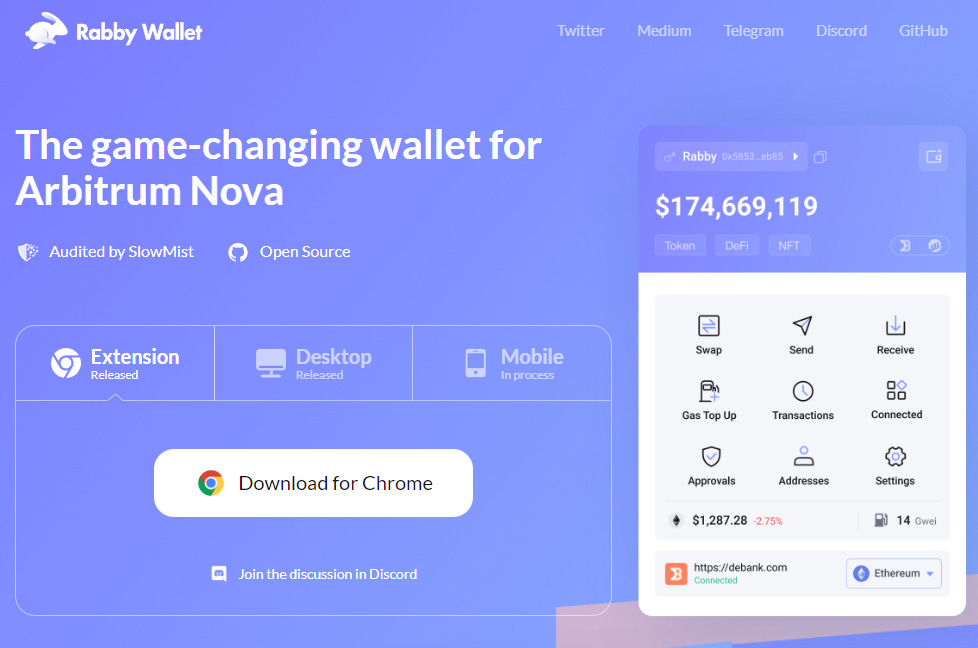
First impressions, then the slow take
Whoa!
At first glance the UI looked tidy. It had deliberate choices. Buttons felt purposeful and not decorative. My instinct said “this is for people who actually send transactions”, not just collectors of tokens. Initially I thought the devs had prioritized design over substance, but then I started poking under the hood.
There are features that matter to real DeFi users. One is an approvals manager that surfaces who can pull tokens and why. Another is clear gas cost estimates across chains. A small feature? Maybe. A big win for safety? Absolutely. I’m not 100% sure which feature saved me the most headaches, but collectively they cut the friction down.
Something else: the extension didn’t try to be everything for everyone. It stayed focused. There were no shiny widgets for social trading or in‑app marketplaces—just tools for holding, approving, and transacting. That focus made it feel trustworthy, oddly comforting. (Oh, and by the way… it integrates with a lot of chains more cleanly than I expected.)
How it changes the multi‑chain workflow
Whoa!
Switching networks used to feel like changing lanes on a busy interstate. Nervous. High stakes. Then there was a tiny modal that told me exactly what was about to happen. Medium sentences here to set context and keep the rhythm. The long-form stuff: approvals were grouped and explained, and that alone reduced accidental approvals by a lot, at least in my hands.
Okay—let me be analytical for a second. Initially I thought that the biggest problem with wallets was phishing. But then I realized that sloppy approvals and implicit allowances cause way more real losses. On one hand, phishing lures users into revealing keys; on the other hand, permissive token approvals give contracts ongoing access, which can be worse over time.
Really? Yes. It’s boring, but it’s the truth. If you don’t audit the approvals you grant, you can lose funds days or months later. My working assumption now is: reduce approvals, review often, and prefer per‑transaction allowances. The extension nudged me into that behavior more than any other tool I’ve used.
Security choices that feel practical
Whoa!
They added features that make sense in the wild. For example, a transaction simulator before signing. Also, clearer origin labels for each prompt. These are medium sized wins that add up. Longer thought: by giving you context and historical data, the wallet forces you to pause, and that pause prevents dumb mistakes—trust me, I made several dumb mistakes before I learned to pause.
I’ll be honest: no extension is a silver bullet. There are still tradeoffs—browser extension surface area is larger than hardware wallets, and that matters if you’re holding very large sums. But for day‑to‑day DeFi, where you need convenience plus safety, a focused multi‑chain extension with a good approvals manager is a huge improvement.
Somethin’ else to note: recovery flows and seed management were sensible and straightforward. Nothing flashy. They didn’t overpromise proprietary recovery magic. I liked that. It’s very very important to keep recovery simple and auditable.
Real-world friction: what annoyed me
Whoa!
On the downside, network labels can be inconsistent between dApps and the extension. That confusion caused one failed swap attempt. My instinct said the extension could be clearer about chain IDs versus friendly names. Also, some rare RPC endpoints were slow. These are solvable problems, though—more a matter of polish than of principle.
Actually, wait—let me rephrase that: these are solvable if the devs prioritize UX for edge cases. On one hand, supporting dozens of chains is a positive; on the other hand, each added chain increases the cognitive load for users. The design challenge is keeping the power while lowering the noise.
Another nit: there’s a learning curve for people migrating from Metamask. Not huge, but present. People expect the same button to do the same thing, and when it doesn’t, friction appears. I had to remind myself to breathe and read prompts—I’m guilty of muscle memory.
Why I still recommend trying it
Whoa!
Here’s the thing. If you’re juggling multiple networks, the right tool shifts your behavior in small, meaningful ways. It makes you pausing before approving. It makes gas costs clearer. It reduces accidental exposure. These medium sentences stack into a convincing argument. And in a longer view, those shifts lower the likelihood of losses.
Okay, so check this out—if you want to try it yourself, start with small amounts and test transactions. Use the approval manager. Tighten allowances. And if you decide to download, here’s the official place to get the extension: rabby wallet. Do not paste seed phrases anywhere, ever. Seriously.
I’ll be blunt: adopting a new wallet feels like switching banks. There’s inertia. But the safety posture and multi‑chain ergonomics are worth the small upfront cost of learning. If you care about DeFi and you use several chains, it’s a net positive for day‑to‑day security.
Common questions from people I talked to
Is a browser extension as safe as a hardware wallet?
Short answer: no. Longer answer: extensions are convenient for active use and trading, while hardware wallets remain the safest for long‑term cold storage. Use both. Keep the big stash offline and use the extension for active position management.
Does it support all major EVM chains?
Mostly yes. It supports many EVM networks out of the box and lets you add custom RPCs. There’s occasional hiccup with obscure RPC endpoints, but the core list (Ethereum, BSC, Polygon, Arbitrum, Optimism, etc.) works well.
What about phishing and scams?
Phishing is still the top vector. The wallet improves prompts, origins, and approvals visibility, which helps. But user vigilance remains crucial—double‑check domains, never enter your seed, and use hardware wallets for high‑value transactions.
To wrap up—not a neat wrap-up because perfect endings are boring—I left feeling cautiously optimistic. My instinct at the start was skepticism. Over time, the extension earned trust through small practical choices. There are still rough edges and somethin’ about network naming that bugs me, but overall it nudged me toward safer habits. If you’re deep in DeFi and you use multiple chains, give it a try with tiny transfers first, watch transaction previews, and tighten those approvals. You’ll learn more than you expect, and that’s a good thing.